
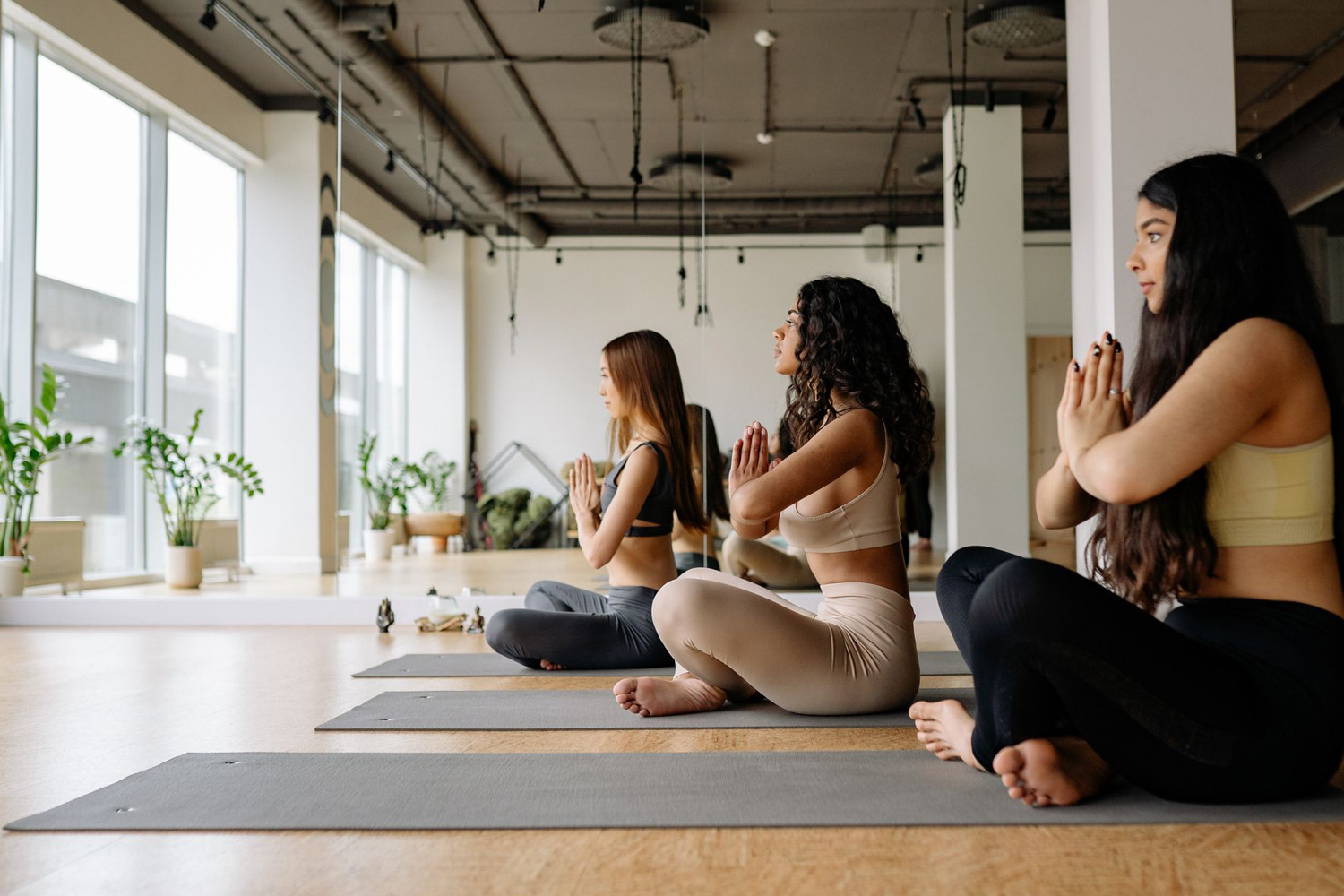
Women’s wellness is a broad and evolving field, shaped by physical health, emotional well‑being, hormonal changes and the demands of modern life. While every woman’s experience is unique, many share common challenges, from managing stress and maintaining energy to navigating life stages such as pregnancy, menopause and beyond. Understanding these topics can empower women to make informed choices and build routines that support long‑term health.
This guide explores key areas of women’s wellness, offering practical insights and gentle encouragement for anyone looking to improve their well‑being.
The Importance of Women’s Wellness
Women often juggle multiple roles: professional responsibilities, family life, social commitments and personal goals. With so many demands, it’s easy for self‑care to slip down the priority list. Women’s wellness encourages a shift in perspective, recognising that caring for your body and mind is not a luxury, but a foundation for living well.
Wellness isn’t about perfection. It’s about creating sustainable habits that help women feel stronger, calmer and more connected to themselves.
Hormonal Health and Balance
Hormones influence everything from mood and energy to sleep and metabolism. Throughout life, women experience natural hormonal shifts — during puberty, pregnancy, perimenopause and menopause. Understanding these changes can help women respond with compassion rather than frustration.
Common signs of hormonal imbalance include:
- Fatigue
- Mood swings
- Irregular cycles
- Sleep disruption
- Changes in appetite or weight
Supporting hormonal health often begins with simple lifestyle choices: balanced nutrition, regular movement, stress management and adequate rest. Practices such as mindfulness, gentle exercise and breathwork can help regulate the nervous system, which in turn supports hormonal stability.
Mental and Emotional Well‑Being
Women’s mental health is a vital part of overall wellness. Anxiety, overwhelm and burnout are increasingly common, especially for women balancing work and family life. Prioritising emotional well‑being can make a profound difference.
Effective approaches include:
- Mindfulness meditation
- Journalling
- Talking therapies
- Regular physical activity
- Setting healthy boundaries
Meditation, in particular, offers a simple way to reduce stress and improve emotional resilience. Even a few minutes a day can help women feel more grounded and present.
Nutrition and Gut Health
Nutrition plays a central role in women’s wellness. A balanced diet supports energy, hormonal balance, immune function and mental clarity. Gut health is especially important, as the gut influences digestion, mood and inflammation.
Key principles include:
- Eating whole, unprocessed foods
- Prioritising fibre for digestive health
- Including healthy fats for hormonal support
- Staying hydrated
- Reducing excess sugar and caffeine
Many women also benefit from exploring gut‑friendly foods such as fermented vegetables, yoghurt and probiotic supplements.
Strength, Movement and Physical Well‑Being
Movement is essential for women’s long‑term health. Strength training supports bone density, posture and metabolism, all of which become increasingly important with age. Gentle practices such as yoga, Pilates and stretching help improve flexibility, reduce tension and support emotional balance.
Women often feel pressure to exercise intensely, but wellness is not about extremes. Consistency matters more than intensity. A mix of strength, mobility and low‑impact cardio can help women feel energised and confident.
Menopause and Perimenopause Support
Perimenopause and menopause are significant life stages that can bring physical and emotional changes. Hot flushes, sleep disruption, mood shifts and changes in weight are common, but they don’t have to be overwhelming.
Supportive approaches include:
- Mindfulness and relaxation techniques
- Strength training for bone and muscle health
- Balanced nutrition
- Gentle movement such as yoga
- Talking therapies or support groups
Many women find that focusing on wellness during this stage helps them feel more empowered and in control.
Self‑Care and Rest
Rest is one of the most overlooked aspects of women’s wellness. Many women feel guilty for slowing down, yet rest is essential for healing, hormonal balance and mental clarity.
Self‑care doesn’t need to be elaborate. It can be as simple as:
- A quiet cup of tea
- A warm bath
- A short meditation
- A walk in nature
- A moment of stillness before bed
These small acts help women reconnect with themselves and create space for calm.
How Paulo Bay Wellness Supports Women’s Well‑Being
At Paulo Bay Wellness, women’s wellness is at the heart of what we do. Our treatments and sessions are designed to support physical relaxation, emotional balance and long‑term well‑being. Whether you’re navigating hormonal changes, managing stress or simply looking to feel more grounded, we offer a welcoming space where women can prioritise themselves without pressure or judgement.
Our holistic approach encourages women to listen to their bodies, honour their needs and build routines that support a healthier, more balanced life.